Featured Contact Lenses & Optical Collections for Ghana Distributors
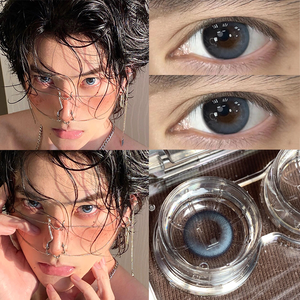
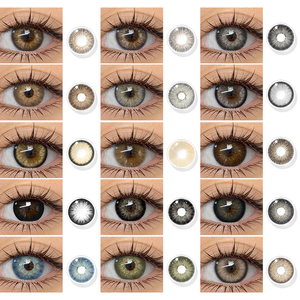
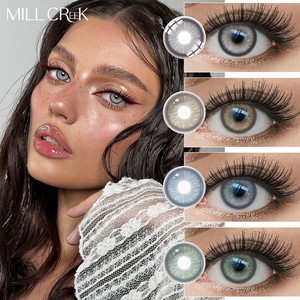
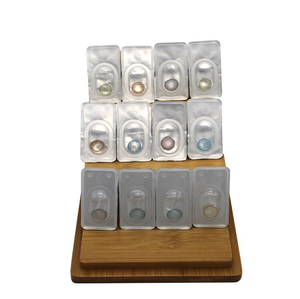
Explore our top-selling cosmetic contact lenses and optical products engineered for high-opacity color payoff on natural dark irises and optimized for tropical comfort.
The Growth Landscape of Colored Contact Lenses in the Ghanaian Market
An exhaustive strategic analysis for optical importers, beauty wholesalers, and e-commerce entrepreneurs navigating West Africa’s rapidly evolving cosmetic vision sector.
The beauty and personal care industry across West Africa is undergoing a profound structural evolution, with Ghana standing out as a premier hub for cosmetic innovation, optical retail expansion, and premium aesthetic consumption. In major urban centers such as Accra, Kumasi, Sekondi-Takoradi, and Tamale, consumer demand for non-prescription (plano) and prescription colored contact lenses has surged by over 34% year-over-year. Driven by the flourishing Ghallywood entertainment sector, high-end bridal makeup artistry, social media beauty influencers, and an expanding middle class, colored contact lenses have transitioned from niche theatrical props into mainstream daily fashion accessories.
However, operating as a successful wholesale colored contact lenses supplier and exporter serving the Ghana market requires far more than basic cross-border logistics. It demands a sophisticated understanding of localized ocular ergonomics, melanin-rich iris pigmentation science, tropical climate durability, and strict compliance with the Food and Drugs Authority (FDA Ghana) regulatory framework. Overseas brands attempting to sell generic European or East Asian lenses into Ghana frequently encounter significant market rejection due to poor color payoff on dark eyes, accelerated dehydration in tropical heat, or customs clearance delays at Kotoka International Airport (ACC) and Tema Port.
As a leading international OEM/ODM contact lens manufacturer with state-of-the-art cleanroom manufacturing infrastructure, Med Lenses provides fully integrated supply chain solutions tailored precisely to the commercial realities of Ghanaian distributors. By combining low minimum order quantities (MOQ starting at 100 pairs for stock and 1,000 pairs for private label), advanced micro-encapsulated sandwich pigmentation, and complete regulatory export documentation, we empower local business owners to capture lucrative profit margins while building trusted, compliant consumer brands.
Ocular Engineering: High-Opacity Pigmentation for Dark African Eyes
Why standard contact lenses fail on dark irises, and how our multi-tone micro-encapsulated technology delivers natural, vibrant color coverage.
Melanin-Grade 5 Coverage Matrix
Ghanaian consumers predominantly feature deep brown and dark black irises (Melanin Grade 4-5). Standard semi-translucent lenses appear dull or completely invisible. Our high-opacity dot-matrix print technology ensures striking color transformation in Hazel, Honey, Quartz Gray, and Pure Green without looking artificial.
Bio-Compatible Sandwich Tech
To guarantee absolute ocular safety, color pigments are permanently embedded between two layers of clear HEMA hydrogel material. This prevents raw dye contact with the wearer's cornea, eliminating pigment leaching, allergic conjunctivitis, and corneal abrasion risks in tropical environments.
Tropical Dehydration Resistance
Ghana’s equatorial climate and seasonal Harmattan dusty winds present unique challenges for contact lens comfort. Formulated with an optimal 38%-42% equilibrium water content, our hydrogel lenses maintain superior tear-film stability and oxygen permeability ($Dk/t$) throughout all-day wear.
Technical Benchmarks & Product Specification Matrix
Standardized manufacturing parameters suitable for medical-grade optical registration and high-turnover cosmetic retailing in West Africa.
| Specification Parameter | Standard Cosmetic Line | Premium 3-Tone Luxury Line | Daily Disposable Line |
|---|---|---|---|
| Base Curve (BC) | 8.50 mm – 8.60 mm | 8.60 mm (Universal Fit) | 8.60 mm |
| Diameter (DIA) | 14.0 mm – 14.2 mm | 14.2 mm – 14.5 mm (Enhancing) | 14.2 mm |
| Material Formulation | HEMA Hydrogel Polymer | HEMA + Non-Ionic Polymer | Silicone Hydrogel / HEMA Blend |
| Water Content | 38% – 40% | 42% | 55% High-Moisture |
| Center Thickness | 0.08 mm (@ -3.00D) | 0.07 mm (@ -3.00D) | 0.06 mm Ultra-Thin |
| Power Range | Plano (0.00) to -8.00D | Plano (0.00) to -10.00D | Plano (0.00) to -6.00D |
| Replacement Cycle | Yearly / 6-Month Wear | Yearly / Monthly Wear | Single-Day Disposable |
| Manufacturing Quality Standard | ISO 13485 / CE 2195 | ISO 13485 / CE 2195 / US FDA | ISO 13485 / CE Certified |
Localized Application Scenarios & Ghanaian Consumer Trends
Key commercial drivers behind the surge in cosmetic lens consumption across major Ghanaian commercial hubs.
1. Bridal & High-Fashion Makeup Artistry in Accra & Kumasi
In Ghana, traditional traditional weddings (Kente ceremonies) and white wedding receptions represent major commercial opportunities for beauty practitioners. Professional makeup artists (MUAs) in East Legon, Cantoments, Osu, and Ahodwo consider colored contact lenses an essential item in bridal packages. Warm shades like Honey Brown, Chestnut, and Caramel Hazel are in high demand as they seamlessly blend with rich chocolate skin tones while providing radiant, camera-ready eyes under studio flash photography.
2. Ghallywood Film Production, Theatre, & Creative Arts
Ghana’s thriving film, music video, and content creation industries demand versatile eye transformations. From natural enhancement lenses for everyday drama roles to striking visual effects lenses (such as Quartz Gray, Topaz Blue, and Jade Green), production studios rely on bulk wholesale suppliers who can provide certified sterile lenses that protect actors' vision during long shooting hours under hot stage lights.
3. E-Commerce & Social Commerce Dynamics (Jumia Ghana, Instagram, TikTok)
The rapid adoption of mobile money payment systems (MTN Mobile Money / MoMo, Telecel Cash) has fueled a boom in social commerce across Ghana. Young beauty entrepreneurs leverage platforms like Instagram and TikTok to showcase fast-moving contact lens collections. Low wholesale MOQs enable these digital retailers to launch private-label boutique brands with minimal upfront capital, testing new color trends dynamically without taking on excessive inventory risk.
FDA Ghana Regulatory Guidelines & Importation Logistics
Navigating medical device registration, Ghana Standards Authority (GSA) clearance, and freight forwarding to Tema Port and Kotoka Airport.
Cosmetic and prescription contact lenses are classified as Class II Medical Devices by the Food and Drugs Authority (FDA Ghana) under the Public Health Act, 2012 (Act 851). Importing uncertified or non-compliant contact lenses into Ghana can result in cargo seizure at port of entry, heavy statutory fines, or business closure. As a responsible export partner, Med Lenses streamlines the entire compliance workflow for Ghanaian importers by supplying complete, authentic documentation packages for local product registration.
Required Import Documentation Provided by Med Lenses:
- ISO 13485:2016 Certification: Proving our manufacturing facility operates under strict global medical device quality management systems.
- CE 2195 Mark & Declaration of Conformity: Verifying compliance with European Union health, safety, and environmental protection standards.
- Certificate of Free Sale (CFS): Confirming that our contact lenses are legally manufactured and commercialized in the country of origin.
- Physico-Chemical & Sterility Batch Inspection Reports: Detailed laboratory analysis verifying sterility, pH balance, and non-toxicity for every batch shipped to Ghana.
- Custom Artwork & English Packaging Adaptation: Compliant outer box design featuring mandatory FDA warnings, usage instructions, expiration dates, and lot numbers in clear English.
Logistics Channels to Ghana:
We offer flexible freight options tailored to your business scale: express air freight via DHL, FedEx, or UPS arriving at Kotoka International Airport (ACC) in Accra within 3 to 5 business days for urgent restocking; or cost-effective ocean freight (LCL/FCL) cleared through Tema Port for large bulk container shipments.
Enterprise Manufacturing Advantages for Ghanaian Importers
Partnering directly with a certified manufacturer unlocks substantial cost savings, operational flexibility, and unmatched product innovation.
5,000+ Lens Design Library
Access West Africa's largest repository of contact lens patterns, ranging from natural 1-tone enhancements and 3-tone iris blends to dramatic costume, cosplay, and glitter party collections.
Multi-Factory Supply Reliability
With three dedicated manufacturing plants operating automated cleanrooms, we eliminate supply chain bottlenecks, guaranteeing consistent batch-to-batch color matching and zero stockouts during peak seasons.
End-to-End Private Labeling
From blister sealing and sterile vial packaging to custom branded outer boxes, localized instruction leaflets, and marketing collateral, we turn your brand vision into a retail-ready market reality.
Frequently Asked Questions by Ghanaian Importers & Retailers
Everything you need to know about placing bulk orders, custom packaging, customs duties, and local market suitability.
Ready to Scale Your Contact Lens Business in Ghana?
Partner with a verified manufacturer. Get instant access to factory-direct wholesale prices, free sample kits, and full FDA export registration support tailored for West Africa.