Featured Brown & Cosmetic Contact Lenses for Wholesale
Explore our export-grade colored contact lenses, semi-finished optical lenses, and specialty eyewear manufactured under ISO 13485 quality standards for Ethiopian optical importers and cosmetics distributors.
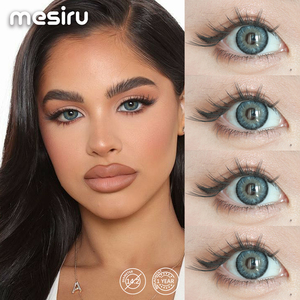
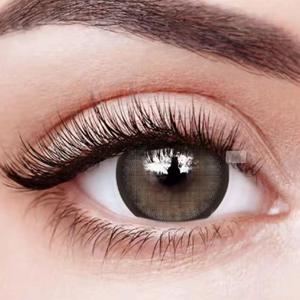

1. Executive B2B Technical Summary: Sourcing Brown Contact Lenses for Ethiopia
The East African optical and cosmetic retail sector is experiencing unprecedented growth, driven by rapid urbanization in commercial hubs such as Addis Ababa, Dire Dawa, Hawassa, and Adama. Within Ethiopia, brown colored contact lenses represent over 62% of the cosmetic lens import volume. Because the natural Ethiopian iris predominantly ranges from deep dark brown to dark chestnut, standard European or East Asian cosmetic lenses with semi-translucent tinting frequently fail to alter or enhance iris depth effectively.
As a direct-to-distributor OEM/ODM manufacturer, Med Lenses Technology Co., Ltd. engineered specialized High-Opacity Triple-Tone Sandwich Pigmentation contact lenses formulated specifically to achieve rich coffee, warm honey, chestnut brown, and hazel tone transformations over high-melanin dark eyes. This industry whitepaper outlines the technical, physiological, logistical, and regulatory frameworks required for Ethiopian optical importers, pharmacy chains, and beauty retailers to successfully source medical-grade brown contact lenses.
Information Gain Key Metric: Ethiopian ocular environments require a unique balance between high Dk/t (Oxygen Transmissibility) and moisture retention due to Addis Ababa’s high elevation (2,350m above sea level) dry climate, paired with high-opacity pigment density to mask dark natural irises without corneal abrasion risk.
Micro-Encapsulation Safety
Pigments are double-encapsulated inside non-ionic HEMA hydrogel polymer matrix. Dyes never contact corneal epithelium directly.
High Altitude Tear-Film Stability
Formulated at 38% to 42% equilibrium water content to prevent rapid dehydration in dry, elevated Ethiopian highland altitudes.
EFDA-Ready Compliance
Factory dossiers include ISO 13485 certification, CE Declaration of Conformity, and complete toxicological evaluation reports.
2. Localized Ethiopian Application Scenarios & Retail Demand Segments
Understanding localized consumer touchpoints is essential for inventory planning and brand positioning within the Ethiopian marketplace. Med Lenses categorizes local commercial demand into four core retail channels:
A. Bole & Kasanchis Bridal & Luxury Beauty Salons (Addis Ababa)
Ethiopian traditional wedding ceremonies (Melse and Kebero gatherings) and modern luxury bridal events drive massive demand for warm brown, hazel-brown, and chestnut contact lenses. Brides and bridal parties seek temporary iris enlargement (14.2mm to 14.5mm diameter) with soft limbal rings that harmonize with warm Habesha skin tones under studio photography lighting.
B. Prescription Optical Clinics & Community Pharmacies
Beyond pure aesthetics, Ethiopian consumers increasingly request prescription corrective contact lenses (ranging from -0.50 to -8.00 Diopters) featuring natural brown tones (such as Mesiru Coffee and Natural Honey Brown). Pharmacies in cities like Adama and Hawassa stock annual and monthly disposable soft contact lenses to satisfy dual optical correction and aesthetic enhancement needs.
C. Ethiopian Film, TV & Fashion Media (Ethiowood & Modeling Agencies)
Addis Ababa’s thriving film industry and modeling agencies frequently procure high-opacity costume and color-enhancing lenses. High-definition cinema cameras require non-reflective lens surfaces with high optical center clarity (pupil zone > 3.5mm) to prevent tunnel vision or visual aberration under bright studio lighting.
3. Local Macroeconomic Trends, Climate Science & Pigment Chemistry
Ethiopia’s unique geographic and atmospheric profile presents specific physiological challenges for soft contact lens wearers. Navigating these factors guarantees lower product return rates and higher customer re-order loyalty for local importers:
1. Highland Altitude & Tear-Film Evaporation Rate
Addis Ababa sits at an elevation of approximately 2,350 meters above sea level, characterized by atmospheric pressure drops and lower relative humidity during the dry season (Bega). Lenses with extremely high water content (e.g., 58%+) draw moisture from the wearer’s tear film to maintain hydration, causing ocular dryness and hyperemia. Med Lenses formulates its brown contact lens line for Ethiopia using 38% - 40% water content non-ionic Polymacon/HEMA polymer, which retains internal water structural integrity without desiccating the user’s eye.
2. Pigment Opacity Matrix for Dark Irises
Standard colored contacts utilize single-layer dot-matrix printing, which blends transparently over light green or blue eyes but becomes completely invisible against darker African irises. Our manufacturing process utilizes Micro-Dot Layering Technology:
- Base Opaque Layer: A bio-compatible titanium dioxide micro-mask that neutralizes underlying dark melanin.
- Chromatic Secondary Layer: High-density organic pigment rendering Coffee, Amber, Caramel, or Honey hues.
- Limbal Border Definition: A soft gradient dark outer ring that provides radial enlargement without looking artificial.
4. Technical Specifications & OEM Manufacturing Standard Matrix
The following technical parameter table outlines our standardized production criteria for B2B wholesale orders shipped to Ethiopian ports of entry:
| Technical Parameter | Standard OEM Specifications | Clinical & Regulatory Benefit |
|---|---|---|
| Base Curve (BC) | 8.50mm – 8.60mm (Standard Fit) | Optimal sagittal depth matching African corneal curvature to avoid lens slippage. |
| Overall Diameter (DIA) | 14.0mm / 14.2mm / 14.5mm | Offers natural enhancement to dramatic cosmetic enlargement options. |
| Material Structure | HEMA / HEMA-NVP Non-Ionic Hydrogel | Resists protein deposition from environmental dust in dry urban regions. |
| Water Content | 38% – 40% Low Water Balance | Prevents altitude-induced dry eye syndrome in highland zones. |
| Center Thickness | 0.06mm to 0.08mm (-3.00D) | High oxygen transmissibility (Dk/t > 20) for all-day comfort. |
| Color Layering Tech | Sandwich Micro-Point Printing | Zero pigment migration; dye remains locked between structural layers. |
| Packaging Options | Medical Glass Vials / Polyfoil Blister Packs | Guaranteed 5-year sterile shelf life under tropical storage conditions. |
5. Enterprise Advantages & Private Label (OEM/ODM) Capabilities
Med Lenses Technology Co., Ltd. serves as an industrial bridge for Ethiopian optical entrepreneurs seeking to establish their own registered contact lens brands. We eliminate high barriers to entry by providing robust factory support:
5,000+ Design Catalog
Access our vast collection of brown, coffee, hazel, gray, green, and costume designs without setup fees.
Flexible B2B Order Quantities
Stock wholesale starts from just 100 pairs total. Customized private label packaging starting from 1,000 pairs.
Localized Package Design
Complete custom box printing with localized Amharic and English regulatory text, barcodes, and user instructions.
Our manufacturing infrastructure operates 3 state-of-the-art cleanroom production facilities compliant with GMP standards. Each production batch undergoes strict automated visual inspections, dimensional validation via optical comparators, microbiological sterility testing, and color-fastness verification prior to export release.
6. Freight Shipping Routes & EFDA Regulatory Guidelines for Ethiopia
Importing medical devices and cosmetics into Ethiopia requires adherence to local customs protocols established by the Ethiopian Food and Drug Authority (EFDA) and the Ethiopian Customs Commission (ECC).
Logistics & Port Channels
- Air Freight (Addis Ababa Bole International Airport - ADD): Recommended for high-value cosmetic and prescription contact lens shipments. Transit time via major express partners (DHL, FedEx, Ethiopian Cargo) typically ranges between 4 to 7 business days from our factory facilities.
- Maritime Shipping (Port of Djibouti Corridor): Ideal for bulk order volumes exceeding 50,000 pairs. Cargo lands at Djibouti Port and is transported via the Ethio-Djibouti Railway or truck corridor directly to Modjo Dry Port for inland customs clearance.
Customs Tariff Classification (HS Code)
Contact lenses are universally classified under HS Code 9001.30.00 (Contact Lenses). Importers should verify current Ethiopian tax schedules, including Import Customs Duty, Excise Tax, Value Added Tax (VAT), and withholding taxes applicable to optical goods.
7. Frequently Asked Questions (FAQ) for Ethiopian B2B Buyers
Ready to Scale Your Contact Lens Business in Ethiopia?
Partner with a certified global contact lens manufacturer. Request factory-direct wholesale price lists, request product samples, or initiate your OEM private label brand today.
Send an Inquiry