Export-Grade Soft Contact Lenses & OEM Assemblies
Precision-engineered hydrogel & cosmetic contact lens series manufactured under strict ISO 13485 & CE cleanroom standards.
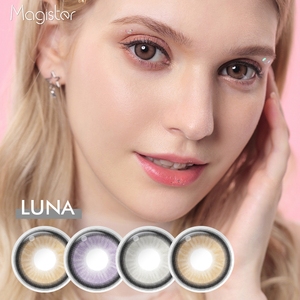
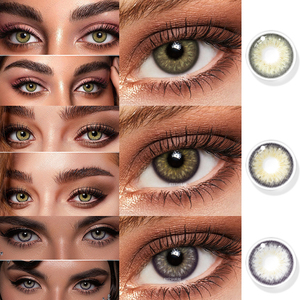
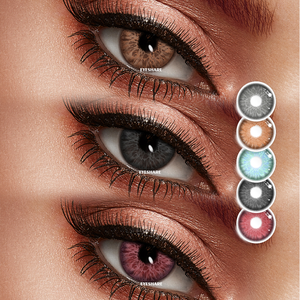
Strategic Executive Briefing: Navigating OEM/ODM Soft Contact Lens Sourcing
The global soft contact lens industry is undergoing a profound structural evolution. Driven by rising consumer preference for eye aesthetics, demand for daily disposables, and stringent medical regulatory oversight across major consumer markets, B2B procurement teams must look far beyond unit cost. Sourcing from accredited OEM/ODM soft contact lens factories & exporters requires an exhaustive audit of polymer engineering, micro-encapsulation safety, automated cleanroom capacity, and regulatory documentation preparedness.
Information Gain Key Takeaway: Modern soft contact lens manufacturing is fundamentally a biomedical polymer chemistry discipline. Top-tier ODM suppliers distinguish themselves by stabilizing Oxygen Transmissibility (DK/t), keeping boundary lubrication coefficient values minimal, and embedding bio-compatible pigment layers within double-sandwich hydrogel structures.
As a leading exporter operating within international medical supply chains, Med Lenses Technology Co., Ltd. bridges the gap between raw manufacturing capability and market-ready consumer packaging. Whether serving healthcare distributors requiring precise diopter vision correction matrixes (Plano 0.00 to -8.00D) or fast-turn cosmetic beauty labels launching custom three-tone color aesthetics, certified quality governance remains the single prerequisite for long-term commercial viability.
Global Procurement Trends: 2025–2030 Market Dynamics
Professional buyers across North America, Europe, the Middle East, and Southeast Asia are shifting their supply chain models in response to three macro procurement trends:
1. Dominance of Short Replacement Cycles
Consumers are rapidly transitioning from traditional annual or semi-annual wear toward daily disposable (1-Day) and monthly replacement lenses. Daily disposables eliminate cleaning compliance risk, providing optical brands higher lifetime customer value (LTV).
2. Shift to Silicone Hydrogel Formulations
While standard HEMA (2-Hydroxyethyl Methacrylate) remains highly popular for cosmetic color vibrancy, premium product lines are pivoting to Silicone Hydrogel (SiHy). SiHy delivers up to 5x greater oxygen permeability to prevent corneal hypoxia during extended wear.
3. Hyper-Customized Private Label Packaging
E-commerce and DTC beauty brands demand complete turnkey packaging flexibility. Modern contract manufacturing now integrates low-MOQ custom blister foil printing, localized compliance leaflets, and bespoke outer carton structural designs.
Technical Comparison Matrix for B2B Procurement Decisions
Evaluating polymer properties and optical parameter limits ensures imported stock matches target consumer demographics without clinical complications:
| Parameter Metric | Standard HEMA Cosmetic Series | Advanced Silicone Hydrogel Series | Procurement Standard Baseline |
|---|---|---|---|
| Oxygen Permeability (DK/t) | 18 – 25 Dk/t | 80 – 120+ Dk/t | > 20 Dk/t for daily wear |
| Water Content Range | 38% – 42% (Optimal balance) | 45% – 55% | Controlled dehydration rate |
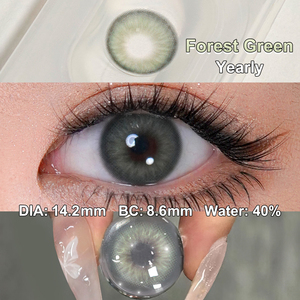
| Base Curve (BC) / Diameter | BC: 8.6mm | DIA: 14.0 - 14.5mm | BC: 8.5 - 8.7mm | DIA: 14.2mm | ISO 18369-3 tolerance compliant |
| Pigment Encapsulation | Triple Sandwich Print Layer | Internal Matrix Embedding | Zero surface pigment contact |
| Sterilization Standard | Moist Heat Autoclave (121°C) | Moist Heat Autoclave (121°C) | SAL 10^-6 Sterility Assurance |
Product & Manufacturing Technology Development Trends
The soft contact lens industry is entering an era defined by automated precision injection molding, advanced surface conditioning, and ocular safety innovations. Leading OEM/ODM factories utilize state-of-the-art technologies that differentiate high-end products from low-grade alternatives:
1. Automated Full-Cast Molding Technology
High-volume factories have transitioned from legacy lathe-cutting methods to automated full-cast molding. Liquid monomer mixtures are injected into high-precision optical resin molds inside cleanroom environments. This process ensures exact batch-to-batch repeatability for base curve, center thickness, and peripheral edge profile engineering, minimizing foreign body sensation for wearers.
2. Bio-Compatible Micro-Encapsulation Pigment Interlayers
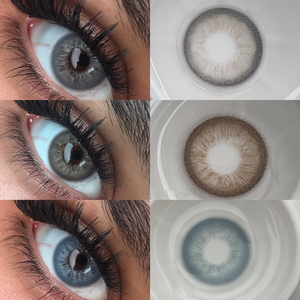
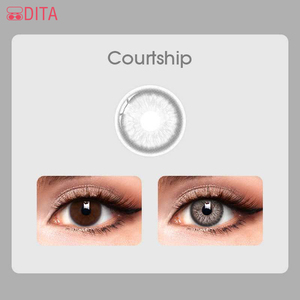
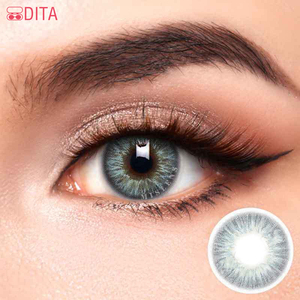
For cosmetic colored lenses (Natural, 3-Tone, Halloween, and Costume series), ocular safety depends on complete pigment isolation. Advanced ODM factories utilize Sandwich Color Printing Technology. The color pigments are fully sealed between two inert hydrogel polymer layers. This guarantees that chemical colorants never come into contact with the wearer's cornea or conjunctival tissue, preventing pigment leeching and epithelial abrasion.
3. Wetting Agent Incorporation & Smart Moisture Retention
Modern consumers experience digital eye strain and dry eyes due to prolonged screen exposure. Progressive OEM formulations incorporate moisture-retaining agents such as Hyaluronic Acid (HA) or Polyvinylpyrrolidone (PVP) directly into the monomer formulation or storage saline. This creates a hydrophilic hydration cushion that maintains lens flexibility and tear-film stability throughout 12+ hours of continuous wear.
Enterprise Advantages: Med Lenses Manufacturing Quality Assurance
Med Lenses Technology Co., Ltd. operates as a specialized manufacturing and export facilitator connecting global B2B buyers with compliant production infrastructure. Our OEM/ODM operation is structured around operational reliability and regulatory support:
Class 100,000 Cleanroom Operations
All monomer filling, primary blister sealing, and autoclave sterilization processes take place in climate-controlled Class 100,000 cleanrooms meeting rigorous ISO medical device standards.
Comprehensive Regulatory Dossiers
We assist overseas importers with necessary compliance documentation, providing ISO 13485 certification records, CE mark certificates, and FDA registration support for streamlined customs clearance.
Multi-Factory Capacity Distribution
By leveraging three dedicated contact lens manufacturing facilities, we ensure order fulfillment remains unaffected by seasonal demand spikes or facility maintenance cycles.
Sourcing & Procurement FAQ: Expert Answers for B2B Importers
Clear guidance addressing common technical, regulatory, and commercial inquiries from overseas distributors and retail brand buyers:
What is the Minimum Order Quantity (MOQ) for OEM Private Label vs. Wholesale Stock?
How do you guarantee pigment safety and compliance with medical standards?
Can Med Lenses provide compliance documentation for FDA (USA) and CE (Europe) registration?
What replacement wear cycles can be produced for private label orders?
What is the typical production lead time for customized ODM private label orders?
How are prescription power diopters distributed within a wholesale order?
Partner with a Proven Soft Contact Lens Exporter
Accelerate your brand growth with factory-direct OEM pricing, ISO 13485 certified production quality, and an extensive library of over 5,000 proven color lens designs.