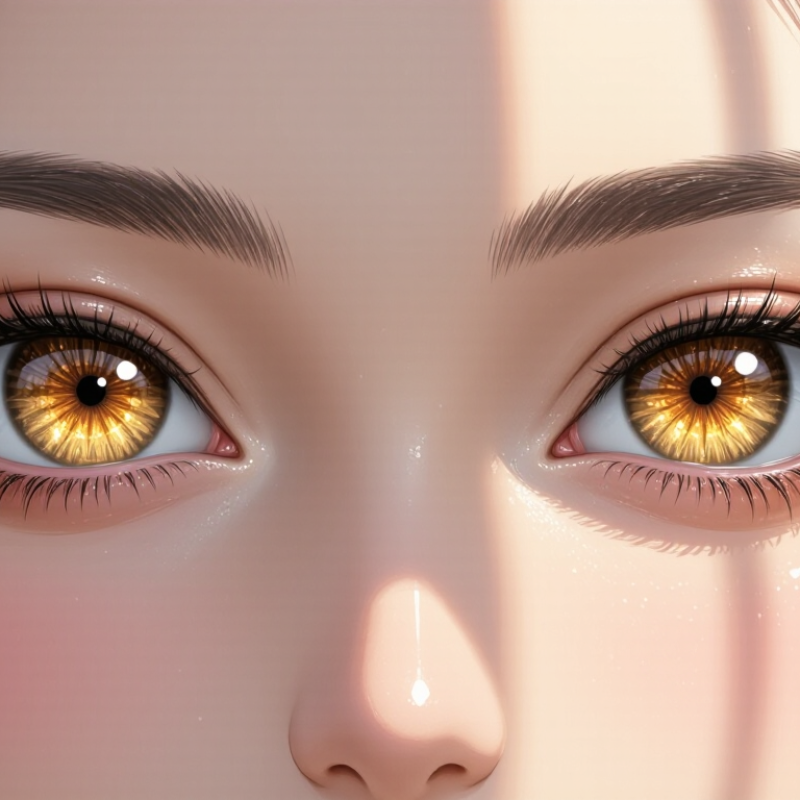
Honey Colored Eye Contacts have a warm, luminous look that feels noticeable without seeming dramatic. Their soft golden-brown tones can add definition to the iris while keeping the overall effect relatively natural. In daylight, the color may appear honeyed and bright; indoors, it can look deeper and more subtle. Small details matter.
That versatility helps explain their popularity. Some people choose honey shades to complement brown eyes, while others enjoy the contrast against lighter irises. The result depends on the lens pattern, opacity, lighting, and wearer’s natural eye color, so product photos cannot promise the same appearance for everyone. Honestly, that uncertainty is part of the choice—and sometimes a disappointment.
Comfort and eye health deserve equal attention to appearance. Contact lenses, including colored cosmetic lenses, sit directly on the eye and should be selected with guidance from an eye-care professional. A proper fit, clean handling, and adherence to the recommended wearing schedule can help reduce avoidable irritation and complications. Never share lenses, and stop wearing them if pain, redness, or blurred vision develops; seek professional advice promptly. Popularity alone does not make a lens suitable. Understanding how honey tones work, what affects their appearance, and how to wear lenses responsibly can help readers make a more informed decision.
What Defines Honey-Colored Contact Lenses?
Honey-colored contact lenses are designed to give the iris a warm, golden-brown appearance. The shade may lean amber, caramel, or light brown, depending on the lens and the wearer’s natural eye color. Not one fixed shade. “Honey” is a descriptive label, not a precise color standard, so two lenses with that name can look noticeably different.
The final effect comes from several details. A translucent tint lets natural iris patterns show through, while a more opaque design can cover darker eyes more strongly. Fine spokes or flecks may imitate the varied texture of an iris; a darker outer ring can make the color appear more defined. Lighting matters, too: a golden tone may look subtle indoors and brighter beside a sunny window. The label can be a little fuzzy, which makes checking the actual color images and lens specifications useful. Comfort and eye health matter as much as appearance. Contact lenses should be fitted for your eyes, and an eye-care professional can advise on safe wear, cleaning, and replacement.
| Dimension | What Defines It | Why It Appeals to Wearers |
|---|---|---|
| Typical color | Honey lenses generally combine warm golden, amber, and light-brown tones. The exact shade varies by lens design. | The warm palette can look softer than a stark color change while still adding visible warmth to the eyes. |
| Color pattern | Many designs use blended tones, subtle spokes, or a darker outer ring to imitate some of the variation found in natural irises. | Blended patterns can create a more dimensional appearance than a single, flat block of color. |
| Effect on light eyes | On lighter eyes, the lens color may appear more noticeable, although the result depends on the original eye color and the lens pattern. | Wearers may choose honey tones to make their eye color look warmer or more golden without selecting a very dark shade. |
| Effect on dark eyes | The result depends partly on the lens’s opacity and color design. Some lenses are made to show more clearly over darker irises than others. | Honey shades offer a warm-color option, but the final appearance can differ from product images and from person to person. |
| Everyday versatility | Golden-brown tones can pair with a range of clothing colors and makeup styles. | The shade can work for a subtle everyday look or a more noticeable change, depending on the lens design and the wearer’s natural eye color. |
| Natural-looking result | A natural appearance depends on factors such as the lens’s color transitions, iris pattern, fit, and how it interacts with the wearer’s own eye color. | Wearers often favor honey shades when they want a warm change that may blend with their features rather than look dramatically different. |
| Prescription options | Colored contact lenses may be available with or without vision correction, depending on the product and market. | Some wearers can combine a cosmetic color change with vision correction, but lens choice and fit should be confirmed with an eye-care professional. |
| Comfort and fit | Comfort depends on proper fit, material, wearing time, and individual eye health—not just the lens color. | A professionally fitted lens is more likely to suit the wearer’s eyes than one chosen by appearance alone. |
| Safe use | Decorative lenses are still contact lenses. They require appropriate fitting, clean handling, and care according to their instructions. | Safe use helps reduce avoidable eye problems. Do not share lenses, and do not sleep in them unless specifically approved for that use by an eye-care professional. |
| Choosing a shade | Consider natural eye color, desired visibility, lens opacity, and the look you want in different lighting. | Color results are individual; a shade that looks subtle on one person may look more vivid on another. |
FAQS
They create a warm golden-brown look. Shades can lean amber, caramel, or light brown. Not one fixed shade.
No. Your natural eye color, lens pattern, and lighting all affect the result. A photo may not tell the whole story.
The change may be subtle, like a golden glow near the pupil. Fine flecks can still show through.
An opaque design may create more contrast. A translucent tint may blend with your natural iris instead.
It can make the iris look more defined. A soft blend may feel less dramatic.
Yes. Window light may reveal golden flecks, while warm indoor light can make the color look deeper or more coppery. Small changes matter.
Check actual color images and lens specifications. The word “honey” is a loose description, so expectations can be a little off.
Comfort and proper fit matter. Ask an eye-care professional about fit, safe wear, cleaning, and replacement, especially if your eyes feel irritated.
Conclusion
Honey Colored Eye Contacts are designed to add warm golden, amber, or soft brown tones to the eyes. Their effect can range from a subtle enhancement of natural eye color to a more noticeable change, depending on the lens pattern, opacity, and the wearer’s original eye color. People often choose honey shades because they can make the eyes appear brighter and warmer while complementing a variety of skin tones and personal styles.
A natural-looking result usually comes from choosing a shade that blends with the wearer’s existing coloring and has a soft, realistic pattern rather than a sharply defined edge. Comfort and eye health matter just as much as appearance: lenses should be properly fitted by an eye-care professional, used as directed, and cleaned and stored with appropriate lens-care products. Wearers should never share lenses or continue wearing them if they cause irritation, redness, or discomfort.