0%

Green Colored Contact Lenses can change an outfit, soften a look, or create a striking contrast with dark hair. Yet color is only one part of a safe buying decision. Buyers also need to compare lens material, wearing schedule, prescription availability, and fit. A vivid product image cannot show how a lens will feel on the eye. Photos can mislead.

The market is growing, but that does not make every product suitable for every wearer. Grand View Research valued the global contact lens market at USD 18.4 billion in 2022 and projected continued growth through 2030. That figure covers contact lenses broadly, not green cosmetic lenses alone. The distinction matters. The World Health Organization’s World Report on Vision also underscores the scale of global eye-care needs, making informed choices more than a style question.

This Top 10 guide compares green shades, from subtle olive to brighter emerald, alongside practical product details. It considers comfort claims carefully, since fit and comfort vary between people. The CDC reports that about 45 million people in the United States wear contact lenses and emphasizes proper hygiene to reduce complications. The FDA likewise advises consumers to obtain decorative lenses through appropriate eye-care channels and follow professional guidance. Buyers should check local requirements and product labeling before purchasing. A ranking cannot replace an eye examination. Good color matters. Healthy eyes matter more.
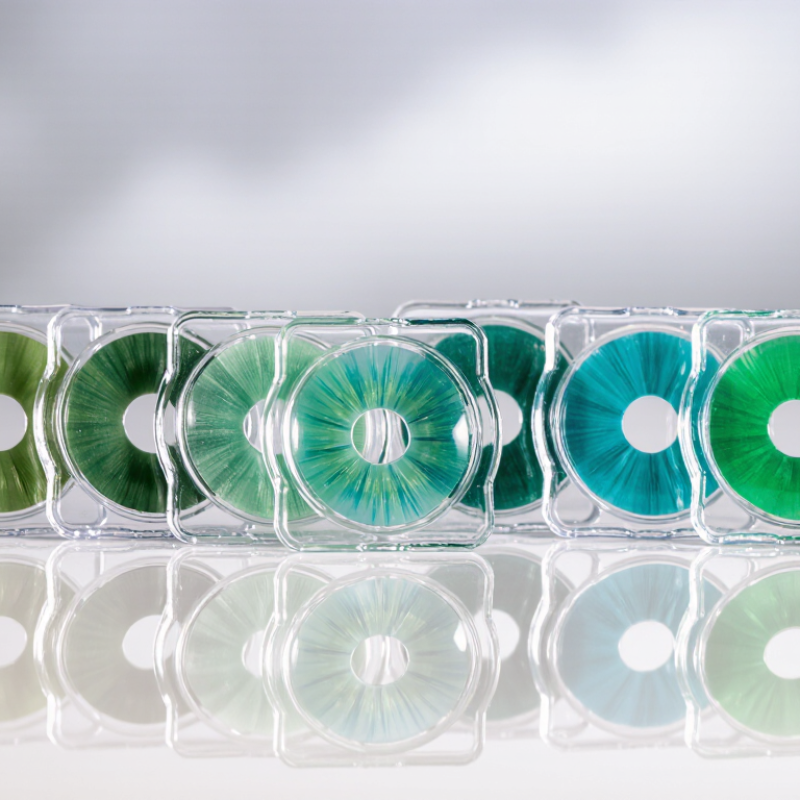
Top 10 Green Colored Contact Lenses for Global Buyers

Understanding Green Colored Contact Lenses and Their Main Types

Green colored contact lenses change eye color through different tint designs. Enhancement tints are translucent, so they work best on lighter eyes. They add a soft green cast while keeping the natural iris visible. Even small details matter. A dark outer ring can make the color appear more defined.

Opaque tints cover more of the iris and can show green on darker eyes. Their printed patterns may combine several shades, such as moss, olive, and pale green, to avoid a flat, painted look. Some lenses add a limbal ring around the iris; others use a softer edge for a more subtle effect. Lighting changes everything. A shade that looks muted indoors may seem brighter beside a window.

Photos can be misleading, since camera settings and surrounding colors affect how a lens appears. Check the color in natural daylight, and consider how it sits against your own eye color. A result may look less natural than expected, and that is worth acknowledging before choosing a style. Colored lenses still require a proper eye-care fitting, even when they have no vision correction. Poor fit can cause irritation or blurred vision, so follow professional guidance and stop wearing them if discomfort develops.

How to Choose Green Lenses for Different Eye Colors and Needs

Green contact lenses look different on every iris. On dark brown eyes, opaque pigments usually create a clearer green shift; on hazel or light brown eyes, blended tints can preserve natural depth. Light blue or gray eyes may show subtle changes with enhancement tints. Results vary. Your iris pattern, pupil size, and indoor lighting all affect the final shade. Treat online color previews as a starting point, not a promise.

Choose lenses for both appearance and wear needs. If you wear vision correction, ask an eye-care professional to check the prescription and fit, including for colored lenses. Comfort matters more than a vivid shade. A CDC-published 2014 MMWR survey found that 99% of respondents reported at least one risky contact-lens care habit. Color does not change basic hygiene needs; follow the care instructions and replace lenses on schedule.

Tips: Compare shades in daylight, then check them under warm indoor light. For dark eyes, look for an opaque green sample; for light eyes, try a softer tint. Stop wearing lenses if you notice pain, redness, or blurred vision, and contact an eye-care professional.

Top 10 Green Colored Contact Lenses for Global Buyers

For global buyers, the best green colored contact lenses are not simply the brightest ones. A useful top-ten shortlist should compare shade, fit, material, care instructions, and seller transparency. Olive green can look subtle in daylight, while emerald tones may appear vivid under indoor lighting. Gray-green often blends more softly with darker eyes. Color results vary with natural eye color and lighting. Check photos in realistic conditions, not just heavily edited studio images.

Fit comes first. Even non-prescription colored lenses need guidance from an eye-care professional, since an unsuitable curve or diameter can irritate the eye. Ask about the lens material, replacement schedule, and cleaning requirements. Look for clear product information and accessible customer support. Small details matter. A vague wear-time label is a reason to pause, not guess. Never share lenses, and remove them if you notice pain, redness, or blurred vision.

International shoppers should also check packaging language, delivery conditions, return policies, and local availability before ordering. Product names and color descriptions can differ between sellers, so compare actual specifications rather than relying on words like “natural.” It is easy to overvalue a perfect product photo; real-life comfort is harder to judge online. A careful shortlist may include natural olive, soft sage, gray-green, hazel-green, and deeper forest shades, with each option assessed for fit and safe use.

Comparing Lens Materials, Comfort, Designs, and Wear Schedules

Green contact lenses can differ more than their color suggests. When comparing ten options, check the lens material, replacement schedule, and fit before judging the shade. Hydrogel lenses often feel soft, while silicone hydrogel materials allow more oxygen to reach the eye. Neither material suits everyone. Dryness, sensitivity, and daily screen time can change how comfortable a lens feels by late afternoon.

Design matters in real light. A translucent green tint may blend with lighter eyes, while an opaque pattern can create a stronger change on darker eyes. Look closely at sample images, but remember that lighting and natural eye color affect the result. The printed iris should also sit naturally around the pupil; a visibly misaligned pattern can look distracting. Fit matters most. A common oversight is choosing by color alone.

Wear schedules are not interchangeable. Daily lenses are discarded after one use, while reusable lenses require the care routine and replacement timing specified for that product. Never extend wear because a pair still looks clean. A lens that feels fine in the morning may become uncomfortable after hours in air-conditioned rooms. That detail is easy to miss. Ask an eye-care professional to assess fit and confirm that the chosen lens is appropriate, even when it is purely cosmetic. The best-looking green is not worth irritation or blurred vision.

Top 10 Green Colored Contact Lenses for Global Buyers - Comparing Lens Materials, Comfort, Designs, and Wear Schedules
Rank Generic Lens Style Green Design Common Lens Material Comfort Considerations Typical Labeled Wear Schedule Best Suited For
1 Natural hazel-green blend Subtle green tones mixed with warm brown or amber details; a soft limbal ring may add definition. Usually a soft hydrogel; formulations vary by product. Soft lenses can feel comfortable when correctly fitted. Dryness may occur, especially during long screen use or in dry environments. Daily disposable or reusable schedules, depending on the product label. Buyers seeking a muted, blended change rather than a vivid color.
2 Olive-green enhancement tint Muted olive or moss shades with a lightly defined outer edge. Soft hydrogel is common; some ranges may use other soft-lens materials. A natural-looking tint does not determine comfort; fit, surface quality, and individual eye response matter. Often offered in daily or monthly versions; follow the specific label. Wearers looking for a low-contrast effect on light or medium eye colors.
3 Emerald opaque color lens More opaque green pattern designed to make the color more visible over darker irises. Commonly a printed soft hydrogel lens. Printed areas and lens fit can affect perceived clarity or comfort; suitability varies between wearers. Daily disposable or reusable, as stated by the manufacturer. Buyers wanting a noticeable green effect, including over naturally dark eyes.
4 Light green iris enhancer Translucent green tint intended to intensify an existing light iris color. Typically a soft hydrogel lens. Enhancement tints may look different depending on natural eye color and lighting; proper fit remains essential. Commonly available in daily or reusable schedules, depending on the product. Wearers with lighter eyes who prefer a gentle color shift.
5 Gray-green blend Cool gray base with green accents for a subdued, less saturated appearance. Usually soft hydrogel; exact material varies. Comfort is individual. A lens that feels comfortable initially can still become dry with extended wear. Check the product label; daily disposable and monthly options may be available. Buyers who prefer a cooler, understated green effect.
6 Honey-green blend Green blended with golden or honey-colored details for a warmer appearance. Usually a soft hydrogel lens. Color pattern and fit are product-specific; discontinue use and seek professional advice if irritation occurs. Daily or reusable schedules may be offered; use only for the labeled period. Wearers looking for a warm green shade with visible iris detail.
7 Dark green limbal-ring style Green iris pattern with a darker outer ring that creates a more defined appearance. Commonly a printed soft hydrogel lens. The darker ring is a cosmetic feature and does not improve vision or guarantee a particular fit. Follow the labeled schedule; daily and reusable versions differ by product. Buyers who want a more defined iris effect.
8 Three-tone green design Multiple green shades and printed details intended to create depth and a patterned iris effect. Usually a soft hydrogel lens. Printed designs can appear different across natural eye colors. Comfort depends on fit, lens condition, and the wearer. Use only for the replacement schedule specified on the package. Wearers who prefer a more detailed or dimensional cosmetic look.
9 Daily disposable green lens Available in different green patterns, including subtle and opaque designs. Soft hydrogel is common; material depends on the specific product. A fresh pair is used each day, but daily disposables are not automatically comfortable for everyone. Single use: discard after removal; do not clean or reuse. Buyers who prefer a fresh pair each day and do not want to store reusable lenses.
10 Monthly reusable green lens Available in a range of green shades and opacity levels. Often soft hydrogel; some products may use other materials. Requires correct cleaning and storage. Deposits or poor care can reduce comfort and raise the risk of eye problems. Replace according to the package instructions; a monthly schedule does not mean continuous month-long wear. Buyers who prefer reusable lenses and can follow a consistent care routine.
These are generic lens-style comparisons, not specific product rankings. Materials, colors, availability, prescription options, and replacement schedules vary by product and market. Contact lenses require a suitable fit and professional guidance, including cosmetic lenses. Follow the labeled wear and care instructions, never share lenses, and do not sleep in them unless specifically prescribed for overnight wear.

How to Buy Green Contact Lenses Safely Across Global Markets

Top 10 Green Colored Contact Lenses for Global Buyers
How to Buy Green Contact Lenses Safely Across Global Markets

Buying green lenses across borders takes more than choosing a shade. Contact lenses sit directly on the eye, so ask an eye-care professional to confirm the fit and wearing schedule before ordering, including for non-prescription cosmetic lenses. Check that the seller provides clear product specifications, manufacturer details, lot identification, expiry date, and care instructions. Local requirements differ. A polished product page is not proof of quality.

The CDC reported that 99% of contact lens wearers in a US study described at least one behavior linked to higher infection risk (MMWR, 2015). That finding is a useful warning, not a global estimate. Keep the box. Compare the lens parameters with your professional’s recommendations, and avoid guessing from a photo: green pigment can look subtle in one light and striking in another. Before buying internationally, check shipping conditions and whether the seller can answer questions about returns, complaints, and product traceability. If details are missing, pause. I would not treat a low price or a dramatic before-and-after image as reassurance; those signals are easy to misread. Stop wearing lenses and seek prompt professional advice if you develop pain, redness, light sensitivity, or blurred vision.

Top 10 Safety Checks for Buying Green Contact Lenses Globally

Each bar represents one safety check, not a product ranking or risk score. Colors distinguish U.S. prescription requirements from FDA safety guidance; regulations vary by market.

FAQS

How do green lenses look on dark brown eyes?

Opaque green pigments usually create a clearer color shift. Check a sample in daylight; indoor light can change the shade.

Which green tint may suit light eyes?

A softer enhancement tint may preserve more of your natural iris pattern. The result can still look different than expected.

Can online previews show the exact color?

No. Iris patterns, pupil size, and lighting affect the final appearance. Treat previews as a starting point, not a promise.

Should I get a professional fitting for cosmetic lenses?

Yes. Ask an eye-care professional to check the lens fit and wearing schedule, even if the lenses have no vision correction.

What should I check before ordering from another country?

Look for product specifications, manufacturer details, lot identification, expiry dates, and care instructions. If key details are missing, pause.

How can I judge a seller’s claims?

A polished product page or dramatic before-and-after image does not prove quality. Ask about traceability, shipping, returns, and complaints.

Do colored lenses need special hygiene rules?

Color does not remove basic care needs. Follow the lens instructions and replace lenses on schedule. Keep the box for reference.

What should I do if my eyes feel irritated?

Stop wearing the lenses if you notice pain, redness, light sensitivity, or blurred vision. Contact an eye-care professional promptly. Don’t wait.

Conclusion

Green Colored Contact Lenses come in a range of shades, patterns, and designs, from subtle enhancements to more noticeable transformations. Understanding the main lens types can help buyers compare how each style interacts with natural eye color. The right choice depends on individual needs, including the wearer’s original eye shade, desired appearance, comfort preferences, and intended wear schedule.

This guide explores ten popular types of green lenses and compares their materials, comfort features, designs, and recommended wearing periods. It also outlines practical steps for purchasing lenses safely across international markets. Buyers should prioritize proper fit, clear product information, and guidance from an eye care professional, since colored lenses require the same careful selection and hygiene as any other contact lenses.

Amelia

Amelia

Amelia is a dedicated marketing professional with a strong understanding of the products, services, and customer needs that shape our company’s work. With experience in market research, content strategy, customer communication, and digital marketing, she transforms complex information into clear,......