Choosing Daily Disposable Colored Contacts in 2026 requires more than matching a shade to your skin tone. Comfort, oxygen transmission, lens material, replacement timing, and professional fitting all matter. The U.S. Food and Drug Administration classifies decorative contact lenses as medical devices. Even lenses without vision correction may require a valid prescription in the United States. Regulations differ internationally, so local guidance matters.
The Centers for Disease Control and Prevention reported that approximately 45 million Americans wear contact lenses. Its 2016 MMWR analysis found that 99% of surveyed wearers reported at least one hygiene behavior linked with higher infection risk. Daily replacement can reduce case contamination and solution handling. It cannot replace careful handwashing or professional advice. Tiny details matter. A lens that feels dry after six hours may be unsuitable, despite looking beautiful in photographs.
EuromContact’s annual European contact lens statistics also track the industry’s continued movement toward daily disposable modalities. However, market growth does not prove that every colored lens is safe for every eye. The right choice should consider prescription accuracy, base curve, diameter, material, tint design, and wearing environment. FDA guidance, CDC recommendations, and an eye-care professional should guide the decision. This article compares practical criteria for selecting Daily Disposable Colored Contacts in 2026. Some conclusions remain imperfect, because comfort varies between individuals. That uncertainty deserves attention.
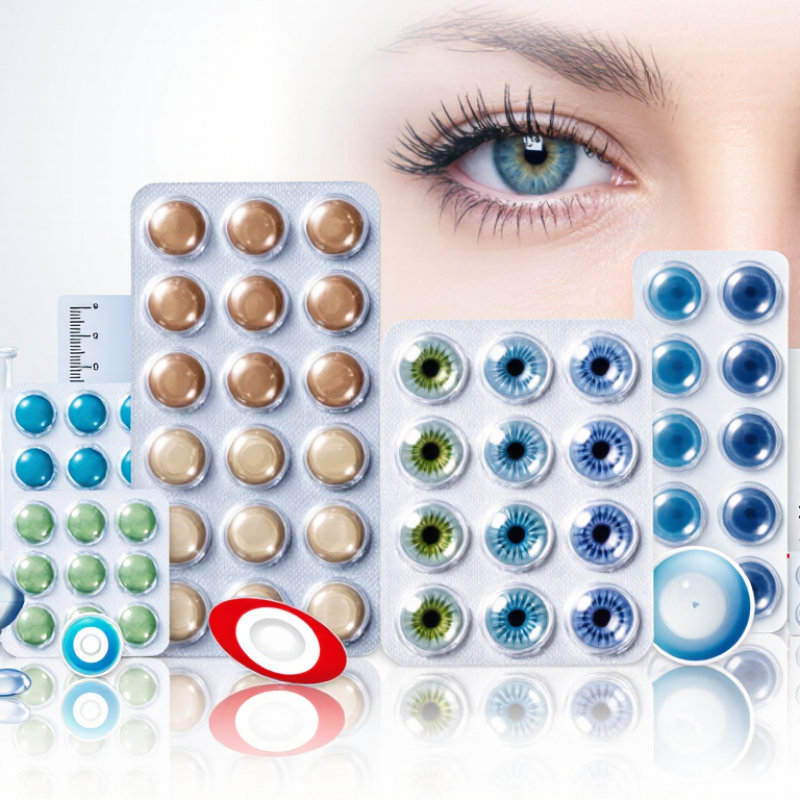
Daily disposable colored contacts are soft lenses designed for one day of wear. They may correct vision or only change eye appearance. Even without a prescription, they still sit directly on the cornea.
A colored lens usually contains a printed or molded pigment pattern. This pattern surrounds the central viewing area and creates a new eye color. The lens floats on the tear film, moving slightly with each blink. Tears keep the surface moist and help the lens remain comfortable. Meanwhile, the lens material allows oxygen to reach the cornea, although oxygen flow varies by material and fit.
The effect is not just cosmetic. A poorly fitted lens can feel tight, shift during blinking, or make vision look hazy. Daily replacement reduces buildup from tears, cosmetics, and skin oils. It does not remove every risk. Hands still need washing, and lenses should never be shared, rinsed with tap water, or worn while sleeping.
A professional eye examination is important. An eye-care provider checks corneal health, prescription needs, lens size, and movement. “One size fits all” is a convenient idea, but it is incomplete. Eye shape differs, and comfort can change during the day. Remove the lenses immediately if pain, unusual redness, light sensitivity, or persistent blurred vision appears. A mild color change is optional; healthy eyes are not.
Choosing daily disposable colored contacts in 2026 should begin with your eyes, not the color chart. A current prescription is essential, even for lenses marked “plano.” Colored lenses still sit directly on the cornea and may affect vision. Ask an optometrist to measure your prescription, corneal shape, tear quality, and lens fit. A prescription for glasses may not transfer exactly to contact lenses.
Eye health matters more than appearance. Avoid lenses if you have active redness, unusual dryness, discharge, or unexplained pain. Never sleep, swim, or shower while wearing them. Use a fresh pair each day, and discard it after removal. Do not share lenses. Do not rinse them with tap water or saliva.
Check the package seal, expiry date, prescription details, and lens parameters before opening.
I used to think a comfortable lens was automatically safe. That assumption needs questioning.
Tips:
How to Choose Daily Disposable Colored Contacts in 2026?
Choosing colored contacts starts with a professional eye examination, even when you need no vision correction. An optometrist can check your eye shape, tear film, and prescription. Daily lenses should fit securely without leaving red marks or creating a dry, gritty feeling. Start with comfort.
For color, compare the lens with your natural eye color in daylight. Brown eyes may need stronger opacity, while light eyes often suit softer tints. A subtle limbal ring can add definition, but a thick ring may look artificial. Pattern matters too. Fine radial lines usually appear more natural than heavy, repeated graphics. Take a close-up photo before ordering. Screens can distort shades.
Diameter changes the visual effect. A larger graphic diameter may create a wider, doll-like appearance, but it can also feel noticeable during blinking. Measure carefully through a licensed professional, not by guessing from an online image. Opacity should match your goal: low opacity blends gently, while high opacity changes the eye more dramatically. I have seen people choose a striking color and regret it under office lighting. My own preference would be to test a modest change first.
Check the package seal, expiry date, and local approval status. Wash and dry your hands before handling each lens. Never share lenses, sleep in them, or reuse a daily disposable lens. If vision becomes hazy, painful, or unusually sensitive to light, remove the lens and seek qualified eye care promptly.
Use these typical specification ranges as a practical starting point. Always match the lens to a current prescription and obtain professional fitting advice before wearing colored contacts.
Color: Choose a shade that complements your natural eye color and skin tone. Neutral browns and hazels usually create a subtle effect, while blue, green, and gray shades create stronger contrast.
Pattern: Fine, blended patterns provide a natural appearance. Larger limbal rings and high-contrast patterns create a more dramatic enlargement effect.
Diameter: Graphic diameters around 12.5–14.5 mm generally produce effects ranging from subtle enhancement to a larger-eye appearance. Overall diameters commonly fall near 14.0–15.0 mm.
Opacity: Lower opacity allows more natural iris color to show through, while higher opacity provides stronger coverage for dark eyes. Comfort and fit are more important than appearance alone.
How to Choose Daily Disposable Colored Contacts in 2026?
Material should be your first comparison point. Silicone hydrogel often allows more oxygen to reach the cornea than older hydrogel materials. However, oxygen flow alone does not guarantee comfort. Lens thickness, tint design, water content, and your tear film also matter. A qualified eye-care professional should assess the fit before you purchase colored lenses, even when they are marketed for cosmetic use.
UV protection can add value, but it is not a replacement for sunglasses. Check whether the lens offers UVA and UVB filtering, and ask how much protection it provides. Colored lenses may feel comfortable at first, then become dry after several hours. Follow the stated wear time, remove the lenses when discomfort begins, and never sleep or swim in them. Comfort is not proof of safety. That point is easy to overlook.
Tips: Compare materials using professional fitting advice, not online descriptions alone. Choose daily replacement lenses to reduce deposit buildup and simplify hygiene. Keep lubricating drops approved for contact lenses nearby, especially in air-conditioned rooms. If redness, pain, blurred vision, or unusual sensitivity appears, remove the lenses and seek prompt eye-care advice. I would not stretch the recommended wear time, even on a busy day.
How to Choose Daily Disposable Colored Contacts in 2026?
Choose lenses fitted by a qualified eye-care professional, even for occasional cosmetic wear. Color does not make a lens harmless. The FDA classifies contact lenses as medical devices, and its guidance stresses proper fitting and prescription use. Check the replacement schedule, oxygen performance, diameter, and comfort before choosing appearance. A dramatic color means little if your eye feels dry after two hours.
Wash and dry your hands before touching the lenses. Avoid water, saliva, lotions, and unclean surfaces. Insert the lens without forcing it, then blink slowly to center it. Remove it immediately when pain, redness, blurred vision, or unusual discharge appears. Do not “push through” discomfort. That habit needs reconsideration. The CDC’s 2016 MMWR report found that 99% of surveyed contact-lens wearers reported at least one hygiene risk, including sleeping in lenses or poor cleaning practices.
Daily disposables should not be stored or reused after removal. If you take one out, discard it, even when it looks clean. Never place it in tap water or a homemade solution. Daily lenses need no case, but reusable colored lenses require fresh approved disinfectant and a clean, air-dried case. Replace that case regularly. Place used daily lenses in household waste, not down the sink. Following every step can feel excessive, yet small shortcuts may cause serious eye infections.
They are soft lenses worn for one day. They can change eye color, correct vision, or do both. A printed pattern surrounds the central viewing area. Discard them after removal.
Yes. Even plano lenses sit directly on the cornea. An eye-care professional checks your prescription, corneal shape, tear quality, and lens movement. A glasses prescription may not transfer exactly. Color does not replace measurement.
Compare colors in daylight, not only on a screen. Darker eyes may need stronger opacity. Lighter eyes often suit softer tints. Fine radial lines usually look less artificial than heavy graphics. Start with a modest change.
A larger graphic diameter can create a wider, doll-like appearance. It may also feel noticeable during blinking. Low opacity blends with your natural color. High opacity creates a more dramatic change. Online images can mislead.
Inspect the package seal, expiry date, prescription details, and lens parameters. Confirm that the seller is legitimate and traceable. Keep the original packaging. Do not rely on appearance alone.
Wash and dry your hands before touching the lenses. Use a fresh pair each day. Never share lenses or rinse them with tap water or saliva. Do not reuse a discarded pair. Clean hands matter.
No. Remove them before sleeping, swimming, or showering. Water can introduce contamination and increase irritation risks. Discard the lenses after removal. Convenience is not proof of safety.
Remove them immediately for pain, unusual redness, light sensitivity, or persistent blurred vision. Seek professional eye care promptly. A tight feeling or hazy vision also deserves attention. Comfort can mislead. I once assumed comfort meant safety, but that needs questioning.
Choosing Daily Disposable Colored Contacts in 2026 requires more than selecting an attractive eye color. Start by understanding that these lenses are worn once and discarded, which can help reduce buildup when used correctly. Before purchasing, confirm your prescription and consult a qualified eye-care professional to check your eye health, fit, and suitability for cosmetic lenses. Consider color, pattern, diameter, and opacity based on whether you want a subtle enhancement or a more dramatic change, while keeping the result natural and comfortable.
Also compare lens materials, moisture performance, UV protection, and recommended wearing time, but never exceed professional guidance. Always wash and dry your hands before handling lenses, inspect each lens, and avoid wearing damaged or uncomfortable lenses. Insert and remove them carefully, never share them, and dispose of each pair after use rather than storing or reusing them. Proper hygiene, responsible wear, and professional advice are essential for protecting eye comfort and vision.