Choosing Brown Eye Contact Lenses is not only a matter of matching color with skin tone. Eye safety must guide every decision. In the United States, the U.S. Food and Drug Administration classifies contact lenses as medical devices, including decorative lenses. Its safety guidance warns that poorly fitted or unregulated lenses can cause scratches, infections, reduced vision, and, in severe cases, blindness. Color does not make a lens harmless.
The numbers deserve attention. A CDC analysis published in Morbidity and Mortality Weekly Report found that about 90% of surveyed contact lens wearers reported at least one risky hygiene habit. These habits included sleeping in lenses, swimming while wearing them, or replacing storage solution incorrectly. That evidence makes everyday behavior as important as product selection. A beautiful brown shade cannot compensate for contaminated hands or an expired lens case.
Safe selection should begin with a qualified eye examination and a valid prescription. An eye-care professional can check fit, oxygen transmission, water content, and wearing limits. Buyers should verify the manufacturer, packaging, replacement schedule, and seller’s credentials. Avoid lenses sold loose, without clear labeling, or through unverified social-media accounts. Read the instructions carefully. Then read them again.
A practical detail matters: lenses should feel comfortable, not tight, dry, or painfully noticeable. Remove them immediately if redness, discharge, light sensitivity, or blurred vision appears. Contact an eye-care professional promptly. This guidance cannot remove every risk. I sometimes underestimate small habits, such as topping up old solution. That mistake is precisely why a careful routine matters. Brown Eye Contact Lenses should enhance appearance without compromising sight.
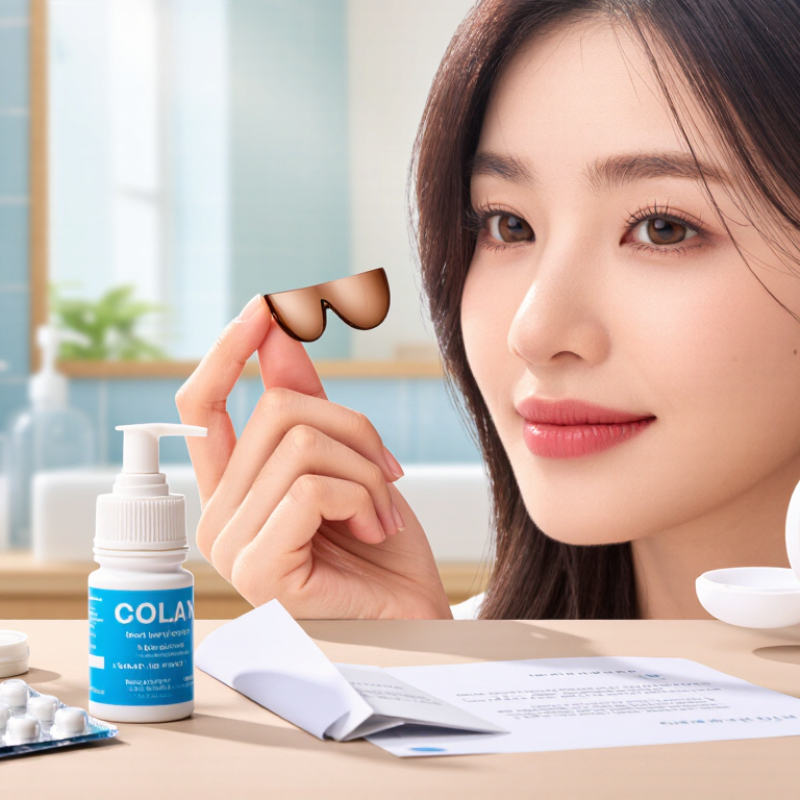
Brown eye contact lenses can change eye color, but their intended use matters more than appearance. Some lenses are cosmetic, while others correct vision and add a brown tint. Both types sit directly on the cornea. They need a professional fitting, even when vision correction is not required. A licensed eye-care professional should check your eye health, measurements, and tear film before use.
Choose lenses made for your wearing schedule. Daily lenses should be discarded after one day. Reusable lenses need fresh disinfecting solution and a clean storage case. Never use tap water, saliva, or another person’s lenses. Do not sleep, shower, or swim while wearing them. These small habits can prevent serious infections. I once thought shade and comfort were the main concerns. That assumption is incomplete.
Look closely at the package details before purchase. Check the replacement schedule, diameter, base curve, and legal supplier information. A very dark brown pattern may reduce natural-looking movement or affect vision in low light. Poorly fitted lenses can feel gritty, shift, or leave red marks. Remove them immediately if you notice pain, unusual sensitivity, discharge, or blurred vision. Do not keep testing them through discomfort. An eye examination may reveal a problem that ordinary mirror checks miss. Even attractive lenses require clinical care, because the cornea has no protective eyelid beneath the lens.
Before choosing brown eye contact lenses, check whether your eyes can safely wear them. Colored lenses still sit directly on the cornea. They need professional fitting, even without vision correction. An eye-care professional can measure your cornea and check for dryness, allergies, infection, or eyelid problems. Ask whether the lens material allows enough oxygen to reach your eyes.
Notice how your eyes behave during a trial fitting. Lenses should stay centered when you blink and look side to side. Blurred vision, pressure, or persistent dryness is not a normal adjustment. Be cautious. A lens that looks natural in a mirror may still fit poorly. Comfort can also change after several hours, especially in air-conditioned rooms or dusty streets.
Use only lenses supplied through a lawful, reliable source with clear wearing instructions. Wash and dry your hands before touching them. Use fresh approved solution, never tap water or saliva. Do not sleep, swim, or shower while wearing lenses unless a qualified professional specifically permits it. Replace them on schedule, even when they appear clean. Remove the lenses immediately if you notice pain, strong redness, light sensitivity, discharge, or sudden blurred vision. Seek prompt medical care if symptoms continue. A careful choice may take more time than expected, but eye health should decide the color.
Checking Eye Health and Contact Lens Compatibility
Replacement intervals are typical labeled periods in days: daily disposable lenses are replaced after one day, two-week lenses after 14 days, and monthly lenses after 30 days. Brown or other cosmetic colors do not remove the need for an eye examination, a valid prescription where required, professional fitting, and proper hygiene. Always follow the product instructions and stop wearing lenses if pain, redness, blurred vision, or unusual sensitivity occurs.
Brown lenses look natural only when the shade works with your existing eye color. Honey and amber shades brighten light brown eyes, while chestnut or espresso tones show more clearly on dark irises. Check the limbal ring, too. A thick ring can create a dramatic effect, but it may look artificial in daylight. Transparent blending usually appears softer.
Design matters beyond appearance. Compare the lens diameter, graphic diameter, base curve, and pupil aperture. A large graphic diameter may cover more of the iris, yet it can feel dry or restrictive for some wearers. The U.S. Food and Drug Administration classifies decorative contact lenses as medical devices, not simple cosmetics. That distinction matters. A qualified eye-care professional should confirm the fit, prescription, oxygen permeability, and replacement schedule.
The Centers for Disease Control and Prevention estimates that about 45 million Americans wear contact lenses. Its safety guidance repeatedly links poor cleaning, sleeping in lenses, and using old solution with infection risk. Never choose a lens from an unverified seller. Packaging should show valid regulatory information and clear specifications. Water content alone does not prove comfort; a higher percentage can feel less comfortable for certain eyes. I would also question any “one-size-fits-all” claim. Even careful choices can fail when the base curve does not match your cornea. Stop wearing lenses if redness, pain, light sensitivity, or blurred vision appears, and seek professional care promptly.
| Selection Dimension | Recommended Choice | Safety or Appearance Consideration |
|---|---|---|
| Eye examination | Obtain a current eye examination and a contact-lens fitting before purchasing lenses. | Decorative lenses can require a prescription even when vision correction is not needed. An eye-care professional checks fit, eye health, and prescription requirements. |
| Brown shade | Choose a shade that complements the natural iris: honey or amber for a warm effect, medium brown for a subtle enhancement, and dark espresso brown for a deeper look. | The final color depends on the natural eye color, pupil size, lighting, and the lens design. Product photographs are not a guarantee of the exact result. |
| Opacity and coverage | Use an enhancement tint for a natural result or an opaque tint when a more noticeable color change is desired. | Opaque patterns may look less natural at close range. The colored area should remain stable and should not interfere with the pupil in different lighting conditions. |
| Pattern design | Select a soft limbal ring and blended radial details for a natural appearance; choose a stronger ring or defined pattern for a more dramatic appearance. | The printed pigment should be contained within the lens material and should not directly contact the eye surface. |
| Prescription power | Use the prescription specifically issued for contact lenses, including sphere, cylinder, and axis when applicable. | A glasses prescription may not contain all measurements needed for contact lenses. Do not share lenses or use an unsuitable prescription. |
| Base curve | Choose the base curve prescribed or approved during the fitting. | Base curve affects how the lens follows the cornea. A lens that is too tight or too loose may cause discomfort, unstable vision, or reduced oxygen exchange. |
| Overall diameter | Use the diameter selected by the eye-care professional for the individual eye. | A larger diameter does not automatically mean a safer or more comfortable lens. Fit and movement should be evaluated professionally. |
| Oxygen permeability | Prefer a material and wearing schedule recommended for your eyes, especially for frequent or extended use. | The cornea receives oxygen from the air. Wearing lenses longer than directed can increase the risk of irritation, swelling, and infection. |
| Replacement schedule | Follow the labeled schedule: daily disposable, frequent replacement, or planned replacement as prescribed. | Do not extend the replacement period, even if the lenses appear clean. Deposits and microorganisms can accumulate over time. |
| UV protection | Treat any UV-blocking feature as an additional feature, not as the primary eye-protection method. | UV-blocking contact lenses do not cover the entire eye and cannot replace sunglasses or other recommended UV protection. |
| Cleaning and storage | Use fresh contact-lens disinfecting solution, rub and rinse reusable lenses as directed, and replace the lens case regularly. | Never use tap water, saliva, or homemade saline. Do not top off old solution in the case. |
| Wear and activity limits | Remove lenses before sleeping, swimming, or showering unless a qualified professional gives specific instructions. | Water exposure and overnight wear can increase the risk of serious eye infections. |
| Warning symptoms | Remove the lenses immediately if there is pain, marked redness, light sensitivity, discharge, sudden blurred vision, or persistent discomfort. | Do not resume wearing the lenses until an eye-care professional has assessed the symptoms. Prompt attention can help prevent complications. |
| Purchase source | Purchase lenses only from a legitimate seller that provides prescription details, labeling, material information, and an identifiable expiry date. | Avoid unlabeled, counterfeit, or non-prescription lenses from unverified sources because the material, sterility, and fit may be unknown. |
Note: Safe contact-lens wear depends on professional fitting, correct hygiene, and following the prescribed wearing and replacement schedule.
Brown contact lenses can look gentle, but safe selection depends on evidence, not color alone. The U.S. FDA classifies decorative lenses as medical devices, including non-corrective cosmetic lenses. Its consumer guidance says a prescription is required in the United States. An eye-care professional should measure fit, vision, and ocular health before purchase. A brown lens that feels loose may scratch the cornea or reduce oxygen flow.
Verify the package before opening it. Look for the manufacturer, lot number, expiry date, material, diameter, base curve, and power. Do not accept blurred labels, missing instructions, or unusually cheap “no prescription” offers.
A CDC MMWR report, based on a 2016 survey, found that 99% of contact-lens wearers reported at least one risky hygiene behavior. That figure is sobering, though self-reported data can overstate or understate actual behavior.
Wash and dry hands, use fresh approved solution, and never share lenses. Water is not harmless.
Seller reliability needs independent checking. Confirm a physical business address, responsive customer service, traceable batch information, and a clear return policy. Ask whether the seller requests a valid prescription when local rules require one. A polished website proves little. Compare its claims with FDA guidance and advice from a licensed optometrist or ophthalmologist.
Stop wearing the lenses for pain, redness, light sensitivity, discharge, or sudden blur. Reviews rarely reveal corneal health, and comfort varies greatly between wearers.
Brown contact lenses can change your appearance, but color does not make them safer. A proper eye examination should measure your prescription, corneal shape, and tear condition. A qualified eye-care professional must confirm the lens diameter and movement. A lens that feels comfortable may still fit poorly. It is easy to assume comfort means safety, but that assumption deserves questioning.
The CDC’s 2016 MMWR analysis reviewed 1,075 contact-lens-related eye infection reports. Nearly 20% involved eye damage. Follow the prescribed wearing schedule, and never sleep, shower, or swim in lenses unless specifically advised. Wash and dry your hands before handling them. Rub and rinse reusable lenses with fresh solution, not tap water. Empty the case after each use, let it air-dry, and replace it regularly. FDA guidance also recommends replacing lenses according to the eye-care professional’s schedule, even when they look clean.
Tips: Stop wearing the lenses if you notice pain, redness, light sensitivity, discharge, or blurred vision. Seek professional care promptly. Do not top off old solution. Keep a replacement date on your phone. Colored lenses can dry the eyes faster for some users, so planned breaks may help. The CDC reports that 40% to 90% of wearers do not follow at least one recommended care practice. That figure is uncomfortable, but useful: small shortcuts can become serious habits.
Yes. A professional should measure your cornea, tear condition, and lens movement. Color does not guarantee safety. Comfort alone can mislead.
Check the manufacturer, lot number, expiry date, material, diameter, base curve, and power. Avoid blurred labels or missing instructions. Details matter.
Rules differ by location. Follow local requirements and obtain professional advice. A prescription may be required, even without vision correction.
Wash and dry your hands first. Use fresh approved solution. Never use tap water or saliva. Never share lenses.
Usually, no. Remove lenses before sleeping, showering, or swimming unless a qualified professional specifically permits it. Water is not harmless.
Rub and rinse lenses with fresh solution. Empty the case after each use. Let it air-dry, and replace it regularly. Do not top off old solution.
Follow the replacement schedule from your eye-care professional. Replace them even when they look clean. Set a reminder on your phone.
Remove them immediately for pain, strong redness, light sensitivity, discharge, or sudden blurred vision. Seek prompt medical care if symptoms continue. Do not wait.
No. It should stay centered during blinking and side-to-side movement. Pressure, persistent dryness, or blurred vision needs attention. I might underestimate this.
Choosing Brown Eye Contact Lenses safely begins with understanding their purpose, whether they are designed for vision correction, cosmetic enhancement, or both. Before purchasing, have your eyes examined by a qualified eye-care professional to confirm that contact lenses are suitable for you and to obtain the correct prescription, measurements, and wearing guidance. Consider the shade, pattern, diameter, and opacity carefully, since these features can affect both appearance and comfort. The lenses should match your eye health needs and personal preferences without causing irritation or obstructing clear vision.
Product quality and seller reliability are also essential. Select lenses with clear labeling, complete usage information, and appropriate prescription details, and avoid products with uncertain origins or missing instructions. When wearing Brown Eye Contact Lenses, wash and dry your hands before handling them, follow the recommended cleaning and storage process, never share lenses, and avoid wearing them longer than advised. Replace them according to their stated schedule, and remove them immediately if you experience pain, redness, blurred vision, or unusual discomfort. Regular professional checkups can help maintain long-term eye safety.