White Costume Contact Lenses can transform a character with one striking detail: a pale iris that catches the light beneath a convention hall’s bright lamps. Yet choosing a manufacturer involves more than appearance. Buyers should examine product documentation, material consistency, color coverage, packaging, and communication about quality controls.
The commercial backdrop is growing. Grand View Research’s Contact Lenses Market Size, Share & Trends Analysis Report estimated the global market at approximately USD 19.4 billion in 2023 and projected continued growth through 2030. This figure covers the broader contact lens market, not costume lenses alone. That distinction matters. General market growth does not prove demand for every specialty design.
Manufacturing evidence matters more. The U.S. Food and Drug Administration classifies decorative contact lenses as medical devices and advises consumers to seek professional fitting and follow safe-use guidance. For buyers comparing a China-based supplier, this means asking for clear product specifications, traceable quality records, and responsive support—not relying on vivid catalog photos. A close-up of the lens can show its printed pattern, but not how consistently batches are produced.
Small details count. Ask how colors are checked, how defects are handled, and which documents accompany each order. Then verify the answers. A supplier may present an impressive sample, while routine production tells a different story. That is easy to overlook. No single report can identify the best manufacturer; careful checks, realistic expectations, and qualified eye-care advice provide a firmer starting point.
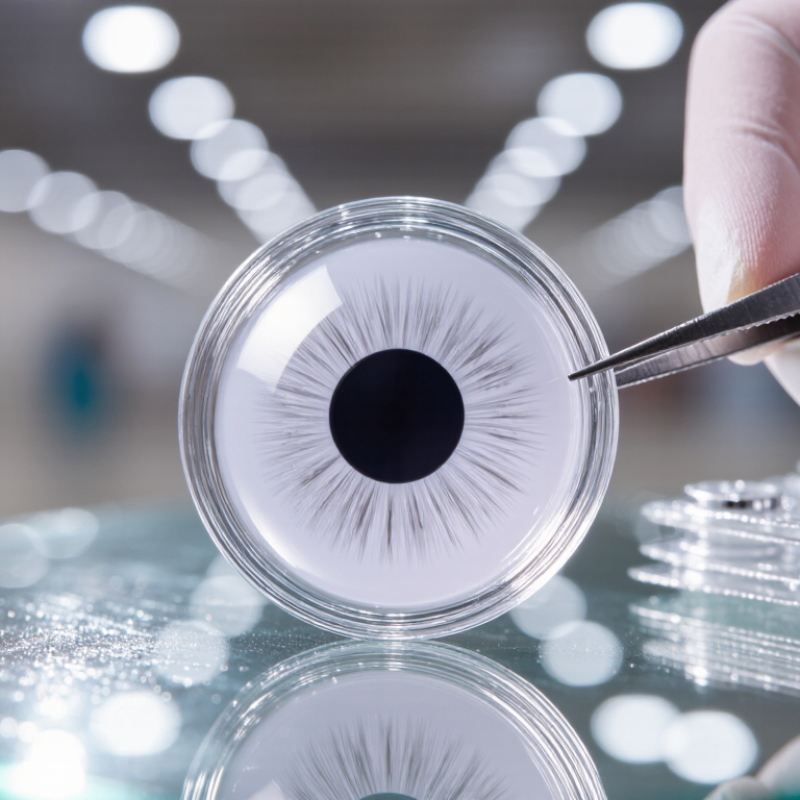
White costume contact lenses can create a striking, pale-eyed effect for cosplay, theatre, photography, and themed events. Their appearance may resemble frosted glass, painted eyes, or a supernatural character. However, these lenses are usually designed for visual impact, not vision correction. Opaque patterns can reduce light and peripheral vision, especially in dim venues. Bright stage lights may also make discomfort more noticeable.
A qualified eye-care professional should check the fit before use. Poorly fitted lenses can cause redness, dryness, scratches, or blurred vision. Buy only from a reliable, legally compliant manufacturer that provides clear material, fitting, and care information. Regulations differ by country, so local requirements matter. A useful reality check: dramatic lenses do not always feel dramatic in a good way. Comfort may vary between users.
Tips: Wash and dry your hands before handling lenses. Never share them, sleep in them, or wear them while swimming. Use fresh approved solution, not tap water. Remove the lenses immediately if pain or sudden blurry vision appears. Keep a spare pair of glasses nearby, especially during long shoots or crowded events. Short wear is wiser. Professional fitting remains essential.
China Top White Costume Contact Lenses Manufacturer?
Choosing a Chinese manufacturer for white costume contact lenses requires more than comparing prices. Experienced buyers examine the lens material, pigment placement, and oxygen permeability. Hydrogel may provide softness and comfort. Silicone hydrogel can support higher oxygen transmission, depending on its formulation. Water content also affects hydration and handling. However, higher water content does not automatically mean better comfort.
Design quality begins with controlled opacity. A good white effect should look even under bright stage lighting. The printed pattern must stay sealed within the lens structure. Exposed pigment can create irritation risks. Smooth edges matter too. They reduce friction during blinking. Manufacturers commonly use precision molding, computer-controlled printing, washing, and sterilization. Each batch should receive checks for diameter, base curve, power, color consistency, and surface defects. Packaging should show traceable lot information.
Look for documented quality systems and testing records. Ask whether the facility follows applicable medical-device requirements in the destination market. Independent laboratory reports can support claims about biocompatibility and sterility. Sample inspection remains essential. Digital photographs are not enough. A lens may look attractive but feel unstable on the eye. No factory is perfect. I would question suppliers who promise universal comfort or instant approval. Costume lenses should be fitted and used only under qualified professional guidance, with clear care instructions and reliable after-sales communication.
Choosing a top white costume contact lens manufacturer in China requires more than comparing prices. Quality begins with controlled materials, clean production areas, and trained technicians. A responsible factory should provide product specifications, batch records, expiry dates, and traceability from raw material to shipment.
Look for a certified quality management system, such as ISO 13485, where relevant. However, certification alone is not enough. Buyers should request recent testing for sterility, biocompatibility, oxygen permeability, moisture content, and lens dimensions. Printed designs must not block the pupil or create uneven edges. Packaging should remain sealed, clearly labeled, and supported by validated sterilization procedures.
Reliable manufacturers also explain which approvals apply to the destination market. They should welcome factory audits, sample inspections, and independent laboratory testing. Ask how complaints are recorded and how defective batches are recalled. These details show practical responsibility. No factory is perfect. A supplier that admits production limits may be more trustworthy than one promising flawless results. Safety can weaken when deadlines become aggressive. That risk deserves careful discussion before any order is accepted.
China Top White Costume Contact Lenses Manufacturer?
Choosing a white costume lens manufacturer requires more than attractive product photos. Review the factory’s documented quality controls, production experience, and material records. Ask how each lens batch is identified and traced. Clear answers matter.
Request samples before discussing large orders. Inspect the lens surface, tint consistency, edges, packaging, and printed information. White lenses should appear even, without visible spots or rough borders. A reliable manufacturer should provide specifications for diameter, base curve, water content, and wearing guidance. These details are not decoration. They affect product evaluation.
Check whether the manufacturer supports local regulatory requirements and supplies current test documents. Ask about sterility controls, sealing methods, storage instructions, and complaint handling. Independent laboratory testing can provide stronger evidence than internal claims. Factory audits may also reveal training gaps or inconsistent cleaning practices. A polished catalog can still hide weak controls. I would not rely on price alone. Communication speed is useful, but technical accuracy matters more. Confirm whether samples match future production, because they sometimes do not. That uncomfortable question is worth asking. Buyers should also recommend professional eye fitting and follow all applicable safety rules, since cosmetic appearance cannot prove safe use.
Ordering white costume contact lenses requires more than checking a dramatic product photo. Ask the manufacturer for material details, lot identification, sterility information, and quality-control records. ISO 13485 certification can support a documented medical-device process, but it does not replace approval in your destination market. The U.S. Food and Drug Administration classifies decorative contact lenses as medical devices and requires a prescription. Rules differ elsewhere, so confirm local requirements before ordering. I would also request samples and inspect the packaging before accepting a large shipment.
Care must remain practical. Wash and dry your hands before touching the lenses. Use fresh recommended disinfecting solution, never tap water or saliva. Replace the storage case regularly. The CDC’s MMWR report found that 99% of surveyed lens wearers reported at least one risky hygiene behavior. That figure is uncomfortable. It shows how easily routine shortcuts become normal. Do not sleep, shower, or swim while wearing costume lenses unless a qualified eye-care professional specifically permits it.
Stop wearing the lenses when redness, pain, unusual sensitivity, discharge, or blurred vision appears. Remove them promptly and seek professional eye care. The CDC estimates that contact lens-related eye infections cause about one million U.S. healthcare visits annually. That number includes preventable problems. A supplier should provide clear wearing limits and complaint procedures, not vague promises. Even an attractive white design is not worth risking the cornea. Be cautious with online sellers offering untraceable products or missing instructions. Production quality matters, but responsible use matters every time.
They can produce pale, frosted, painted, or supernatural-looking eyes.
Yes. Opaque patterns may reduce light and peripheral vision.
Yes. A qualified eye-care professional should check the fit before use.
Review the lens material, water content, and oxygen transmission.
Look for controlled opacity, sealed pigment, smooth edges, and clean surfaces.
Request samples before placing a large order.
The supplier should explain storage, cleaning, wearing limits, and complaint handling.
Wash and dry your hands before touching the lenses.
Remove them if pain, sudden blurry vision, redness, or unusual dryness appears.
White Costume Contact Lenses can transform a costume by changing the appearance of the eyes, but their visual effect should never come at the expense of eye health. This overview explains how these lenses are used in costume styling and how materials, colors, patterns, and production methods influence their appearance, comfort, and consistency. It also outlines the quality and safety checks buyers should look for when comparing Chinese manufacturers, including clear product information, reliable quality-control procedures, and appropriate testing documentation.
Choosing a manufacturer involves more than comparing designs or prices: consider manufacturing experience, communication, customization options, and the ability to provide transparent product details. Before ordering, confirm that the lenses are suitable for your eyes and obtain guidance from a qualified eye-care professional. Follow the supplied instructions for wearing, cleaning, storage, and replacement; never share lenses or wear them if they cause discomfort. Responsible use helps make costume styling safer and more enjoyable.