0%

Choosing Hazel Colored Contact Lenses can change your appearance subtly, but eye health must guide every decision. Hazel shades often blend green, brown, and golden tones. The final effect depends on your natural eye color, lighting, and lens design. A color that looks soft online may appear stronger in daylight.

This guide shares seven practical tips for making a safer, more informed choice. It covers professional fitting, prescription requirements, material quality, comfort, shade selection, hygiene, and replacement schedules. Even non-prescription lenses can require professional supervision. An eye-care professional can check your vision, measure your eyes, and identify risks that product photos cannot show.

Fit matters most.

Choose sellers that provide clear product information and reliable customer support. Avoid lenses with missing measurements, unclear ingredients, or unrealistic claims. Never share lenses, sleep in them, or rinse them with tap water. These habits can introduce harmful microorganisms and cause serious irritation. Follow the wearing schedule supplied by your eye-care provider and the manufacturer.

Some mistakes are easy to make. I once underestimated how different a lens could look under warm indoor lighting. That experience made me value natural-light testing and careful expectations. Comfort should not be sacrificed for a dramatic effect. If your eyes become painful, unusually red, sensitive to light, or blurry, remove the lenses and seek professional advice promptly. Beautiful color is valuable, but healthy vision matters more.
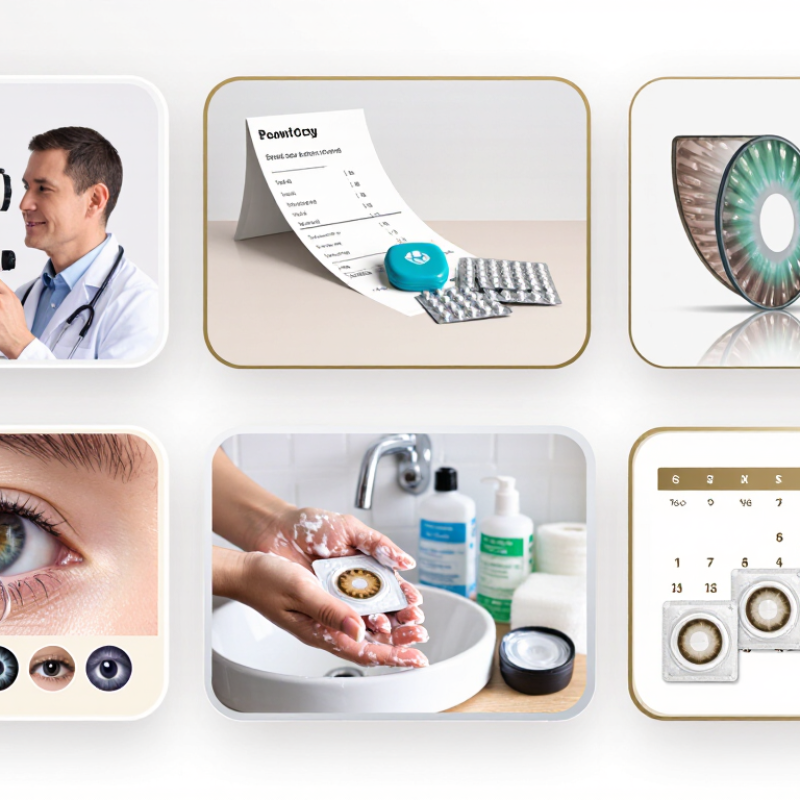
7 Tips for Buying Hazel Colored Contact Lenses?

Understanding Hazel Contact Lens Colors and Their Visual Effects

7 Tips for Buying Hazel Colored Contact Lenses

Hazel lenses can look honey-gold, olive, or brown, depending on lighting and your natural iris.

Tip one: check the lens pattern, not only the product photo. Soft gradients usually create a more believable blend.

Tip two: compare the lens with your natural eye color. Dark brown eyes may need stronger pigment.

Tip three: look for a defined limbal ring if you want larger-looking eyes.

Tip four: consider pupil size. A narrow clear center can feel distracting in bright rooms. The effect is personal.

Tip five: confirm the base curve and diameter with a licensed eye-care professional. Poor fit may cause redness, blurred vision, or a scratchy sensation.

The U.S. Food and Drug Administration classifies decorative contact lenses as medical devices, not simple cosmetics.

Tip six: buy only lenses supplied through legal, traceable channels.

Tip seven: follow the replacement schedule, even when the lenses still look clean.

The Centers for Disease Control and Prevention reported that 99% of surveyed contact-lens wearers had practiced at least one risky hygiene behavior. That figure deserves attention.

Wash and dry your hands before handling lenses, and never use tap water for storage. A 2023 professional eye-health report also linked improper lens care with avoidable complications.

I once underestimated how strongly warm indoor lighting changes hazel tones. Test the color near a window, under office light, and in evening light before choosing.

Checking Lens Safety, Materials, and Regulatory Standards

7 Tips for Buying Hazel Colored Contact Lenses

Checking Lens Safety, Materials, and Regulatory Standards

Treat hazel lenses as medical devices, not simple accessories. The FDA classifies decorative contact lenses as medical devices requiring a prescription in the United States. Check your local regulator’s rules before purchasing. Avoid sellers that provide no prescription, manufacturer details, or batch information. Fit matters more than color.

Ask an eye-care professional to measure your eyes, especially if the lens changes your natural iris appearance. Review the material, water content, oxygen transmissibility, replacement schedule, and diameter. ISO 18369 covers contact-lens terminology, tolerances, and safety-related requirements. Compliance claims should be verifiable, not printed as vague marketing language. I sometimes see shoppers focus on shade accuracy and overlook oxygen delivery. That is an easy mistake.

Inspect every blister pack for damage, unclear printing, or an expired date. Never share lenses, rinse them with tap water, or extend their wearing time. The CDC reported that 99% of surveyed adult contact-lens wearers reported at least one risky habit in its 2016 MMWR study. Small shortcuts matter. Wash and dry your hands before handling lenses, and use fresh approved solution. Do not improvise. Remove the lenses immediately if you notice pain, unusual redness, light sensitivity, or blurred vision. Seek professional care quickly, even when symptoms seem mild.

Choosing the Right Hazel Shade for Your Natural Eye Color

7 Tips for Buying Hazel Colored Contact Lenses?

Choosing the right hazel shade starts with your natural eye color. Hazel lenses usually blend green, brown, amber, and gold tones. On light blue eyes, choose soft olive or muted honey shades. They create gentle depth without looking too dramatic. Green eyes often suit warm brown-hazel lenses with golden flecks. Dark brown eyes may need a richer amber or olive hazel shade for visible color. Very pale shades can appear artificial in bright daylight. Shade charts can mislead.

Your skin undertone also matters. Warm undertones often pair well with caramel, copper, and golden hazel. Cool undertones may look better with ash-brown or mossy green. Neutral undertones can test both, preferably under natural window light. Take photographs from a normal distance. Close-up mirror checks exaggerate the effect. A perfect match is not always the most natural.

Safety must guide every purchase. The U.S. Food and Drug Administration classifies decorative contact lenses as medical devices, including lenses without vision correction. The Centers for Disease Control and Prevention estimates that about 45 million Americans wear contact lenses. Its eye-health guidance links unsafe wear and poor cleaning with serious infections. Obtain a prescription and professional fitting before buying. Never share lenses or sleep in them unless specifically advised. I would also reconsider any shade that causes dryness, redness, or blurred vision. Beauty should not require uncomfortable eyes.

Selecting the Correct Lens Size, Fit, and Wearing Schedule

7 Tips for Buying Hazel Colored Contact Lenses

Tip 1: Check your measurements.

Hazel lenses should match your prescription, base curve, and diameter. Eye color cannot replace a proper fit. A licensed eye-care professional can measure your cornea and identify suitable options. Even non-prescription colored lenses require professional guidance in many regions.

Tip 2: Consider the lens diameter carefully.

Larger lenses may create a dramatic limbal effect, but they can feel dry or shift during blinking. A lens that moves excessively can blur your vision. A tight lens may leave your eyes red after only a few hours. Comfort matters more than an intense color change.

Tip 3: Choose a wearing schedule you can follow.

Daily lenses may suit occasional events, while reusable lenses require strict cleaning and storage. Never extend the recommended replacement period. Do not sleep or swim while wearing lenses. Keep backup glasses nearby. Small habits prevent bigger problems.

Tip 4: Test the fit before judging the shade.

Hazel can appear green, brown, or golden under different lighting. Check the lenses near a window, then under indoor light. If your eyes sting, water, or become unusually sensitive, remove the lenses promptly and contact an eye-care professional. It is easy to focus on appearance and overlook comfort.

Comparing Brands, Care Requirements, Prices, and Customer Reviews

When comparing hazel colored contact lenses, look beyond the shade. Check whether the seller requires a valid prescription and lists certified materials. An eye-care professional can confirm the correct diameter, base curve, and wearing schedule. I once focused too much on color photos. They looked different in daylight. Customer images helped me notice that hazel tones may appear green, brown, or gold under changing light.

Care requirements should influence your choice. Wash and dry your hands before touching the lenses. Use only the recommended sterile solution. Never rinse lenses with tap water or saliva. Avoid sleeping or swimming in them unless a qualified professional specifically approves it. Replace the storage case regularly. Small habits matter. I have found care routines easy to underestimate, especially during travel.

Price comparisons should include the full yearly cost. Add the lenses, solution, replacement cases, delivery fees, and required eye examinations. A cheaper box may become expensive if replacements are frequent. Reviews are useful when they describe comfort after several hours, color accuracy, packaging, and delivery reliability. Look for repeated patterns across independent platforms, not dramatic claims from one reviewer. However, reviews cannot confirm medical safety. If several users mention dryness or blurry vision, take that seriously and ask a professional before purchasing. Regulations and product labeling also vary by location, so verify local requirements before ordering.

FAQS

Are hazel colored contact lenses only fashion accessories?

No. Treat them as medical devices, even when they contain no vision prescription. Fit and eye health matter more than color.

Do I need an eye-care professional before buying them?

Yes, especially if the lenses change your natural iris appearance. A professional can measure your prescription, base curve, and diameter. Eye color cannot replace a proper fit.

What lens details should I check before purchasing?

Review the material, water content, oxygen transmission, diameter, and replacement schedule. Look for clear manufacturer and batch information. Safety claims should be verifiable, not vague marketing.

How can I inspect the packaging safely?

Check every blister pack for damage, unclear printing, or an expired date. Do not use a package that looks swollen, broken, or poorly labeled. Small details matter.

How should I compare lens sizes and comfort?

Larger lenses may create a stronger limbal effect, but they can shift or feel dry. A tight lens may cause redness within hours. Test comfort before judging the color.

How can hazel lenses look different in various lighting?

Hazel tones may appear green, brown, or golden under changing light. Check them near a window and under indoor lighting. Photos can mislead. I have underestimated this before.

What care routine should reusable lenses follow?

Wash and dry your hands before handling lenses. Use fresh, approved sterile solution and replace the storage case regularly. Never rinse lenses with tap water or saliva.

What activities should I avoid while wearing contact lenses?

Do not sleep or swim while wearing them unless a qualified professional specifically approves it. Keep backup glasses nearby. Convenience can create poor decisions.

Which warning signs mean I should remove the lenses?

Remove them immediately if you notice pain, unusual redness, light sensitivity, stinging, or blurred vision. Seek professional care quickly, even if symptoms seem mild. Do not wait it out.

Conclusion

Buying Hazel Colored Contact Lenses requires more than choosing an attractive shade. First, understand how hazel tones may appear differently depending on lighting, makeup, and your natural eye color. Consider whether you want a subtle enhancement or a more noticeable change, then select a shade that complements your existing eye color and overall appearance. Safety should always come first, so check the lens materials, manufacturing quality, usage instructions, and applicable regulatory standards before purchasing.

It is also important to choose the correct lens diameter, base curve, and fit for comfortable vision and stable movement. Follow the recommended wearing schedule, and never exceed the stated replacement period. Compare product prices, cleaning and storage requirements, customer feedback, and the clarity of care instructions before making a decision. With careful research and responsible maintenance, you can find Hazel Colored Contact Lenses that provide the desired look while supporting eye comfort and safe everyday wear.

Ethan

Ethan

Ethan is a dedicated marketing professional with a strong understanding of the company’s products, customers, and evolving market needs. Through a combination of industry knowledge, strategic thinking, and clear communication, he helps present complex product information in a practical and......